
The Impact of a Well-Designed Sign on Brand Image
In an urban and commercial environment saturated with visual messages, signage plays a decisive role in how a business is perceived by customers. Far more than a simple geographic marker, it is often the first point of contact between a brand and its audience. A well-designed sign acts as a powerful brand image lever, influencing awareness, credibility, and even purchasing decisions.

A First Impression That Matters
It is often said that you only get one chance to make a good first impression—and this is especially true when it comes to signage. Before even entering a business or discovering its products and services, customers form an opinion based on what they see outside.
A clean, legible sign that aligns with a company’s visual identity immediately conveys trust and professionalism. Conversely, an outdated, poorly lit, or inconsistent sign can suggest a lack of rigor or modernity, regardless of the actual quality of the offering.
Visual Consistency and Brand Recognition
Signage is a direct extension of brand identity. The colors, typography, shapes, and materials used should reflect the company’s DNA and harmonize with its other communication tools: logo, website, social media, printed materials, and more.
This visual consistency facilitates brand recognition and strengthens memorability. The more distinctive a sign is, and the more faithful it is to the company’s overall image, the more it anchors itself in the minds of passersby. Over time, it becomes a strong visual reference, even a symbol associated with the business.

Visibility and Legibility: Strategic Considerations
An effective sign must first and foremost be seen and understood quickly. Its placement, size, contrast, and lighting are key elements that influence performance. Good design takes into account viewing angle, reading distance, traffic speed, and the surrounding visual environment.
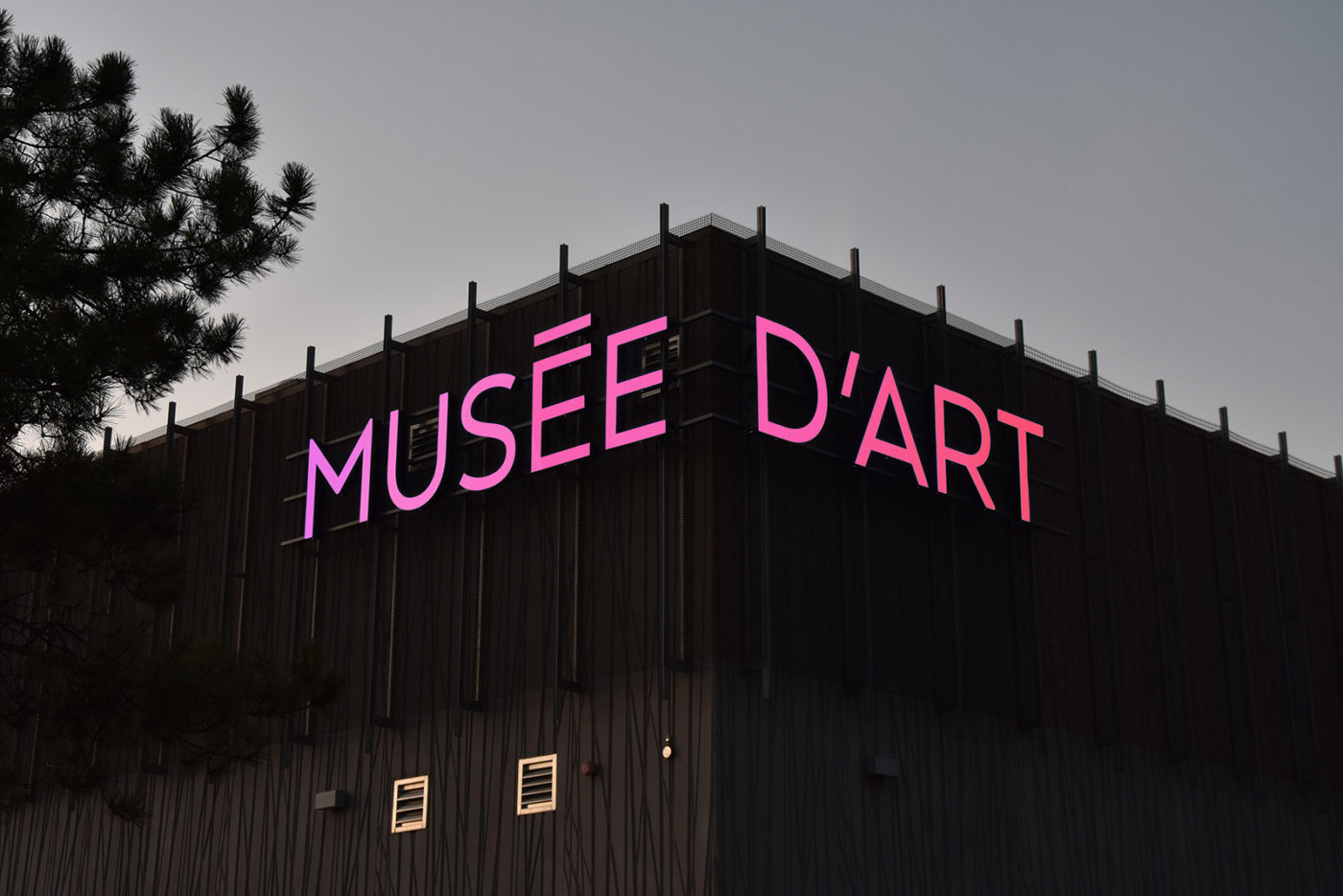
Lighting, particularly in the case of illuminated or backlit signs, extends brand visibility into the evening and nighttime hours while adding a modern, aesthetic dimension. A sign that is visible at all times increases brand reach and multiplies opportunities to be noticed.
A Vehicle for Emotion and Positioning
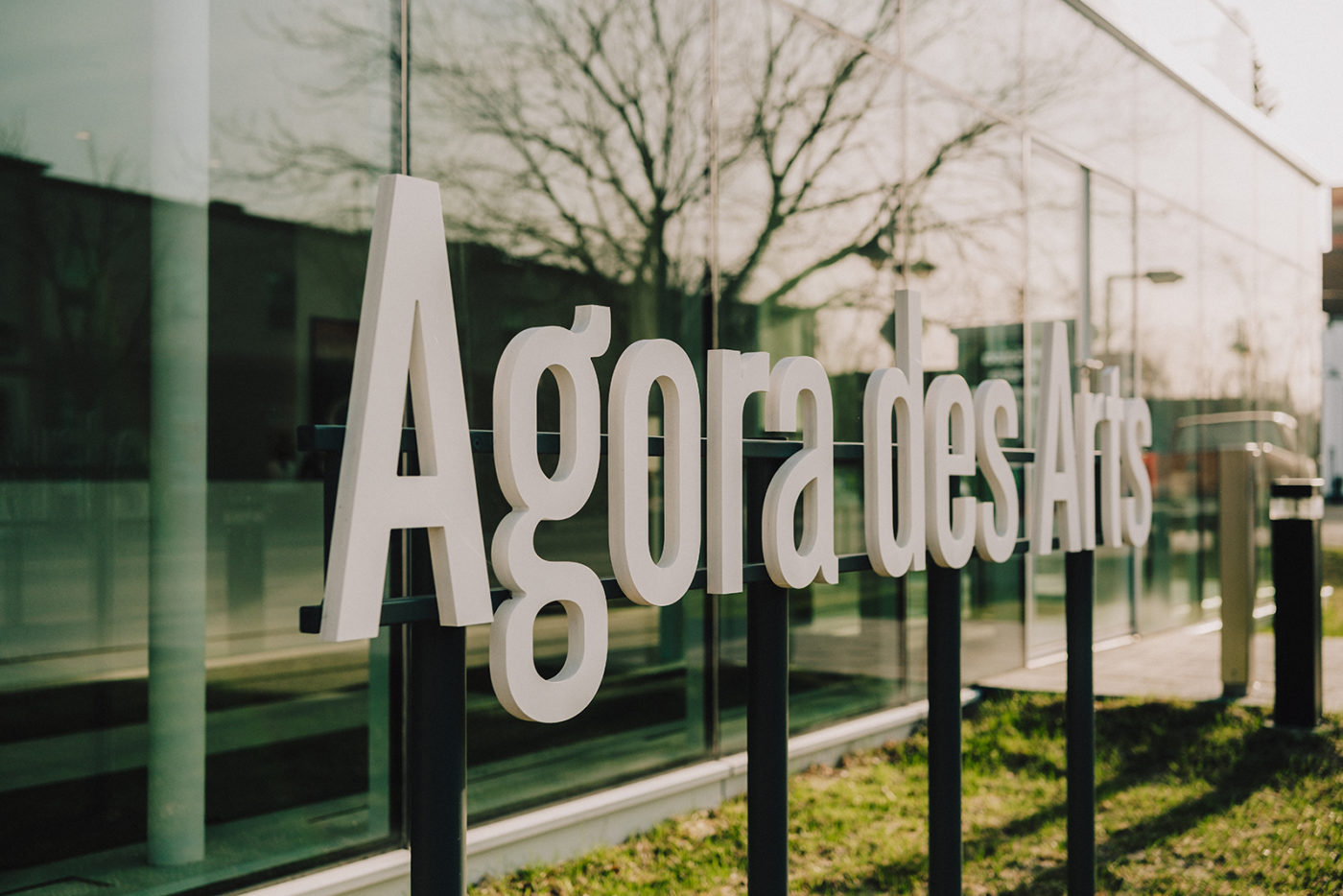
Beyond its functional role, a sign can also evoke emotion. A bold, elegant, or creative design helps tell a story and positions the business within a specific universe. For example, a minimalist, refined sign may suggest modernity and premium quality, while a colorful, playful sign conveys energy and approachability.
This emotional positioning is essential to building a connection with the target audience. A well-thought-out sign does more than display a name—it expresses a personality.
A Profitable Long-Term Investment
Unlike certain forms of short-lived advertising, signage is a long-term investment. When well designed and manufactured with quality materials, it can last for years while maintaining its visual impact. It works for the brand 24 hours a day, 7 days a week, with no recurring costs.
Moreover, a distinctive sign can become a key differentiator in competitive commercial areas where many businesses coexist. It catches the eye, drives traffic, and directly contributes to brand awareness growth.

Conclusion
Signage is far more than a simple identification tool, it is a strategic element at the heart of brand image. Thoughtful design, aligned with the company’s identity and adapted to its environment, enhances credibility, improves visibility, and creates a lasting connection with customers.
Investing in a well-designed sign means investing in brand perception, recognition, and value, today and for years to come.