Essential Materials Used in Sign Manufacturing

a {
text-decoration: none;
color: #464feb;
}
tr th, tr td {
border: 1px solid #e6e6e6;
}
tr th {
background-color: #f5f5f5;
}
Creating a sign involves much more than displaying a visual message. It begins with selecting the right materials to ensure durability, aesthetics, and functionality. Depending on the type of sign, whether illuminated, dimensional, digital, or traditional, certain materials are preferred for their strength, versatility, and visual appeal. Here are the main materials used in sign manufacturing.
Reflecteur_Couverture_20ans

Aluminum

a {
text-decoration: none;
color: #464feb;
}
tr th, tr td {
border: 1px solid #e6e6e6;
}
tr th {
background-color: #f5f5f5;
}
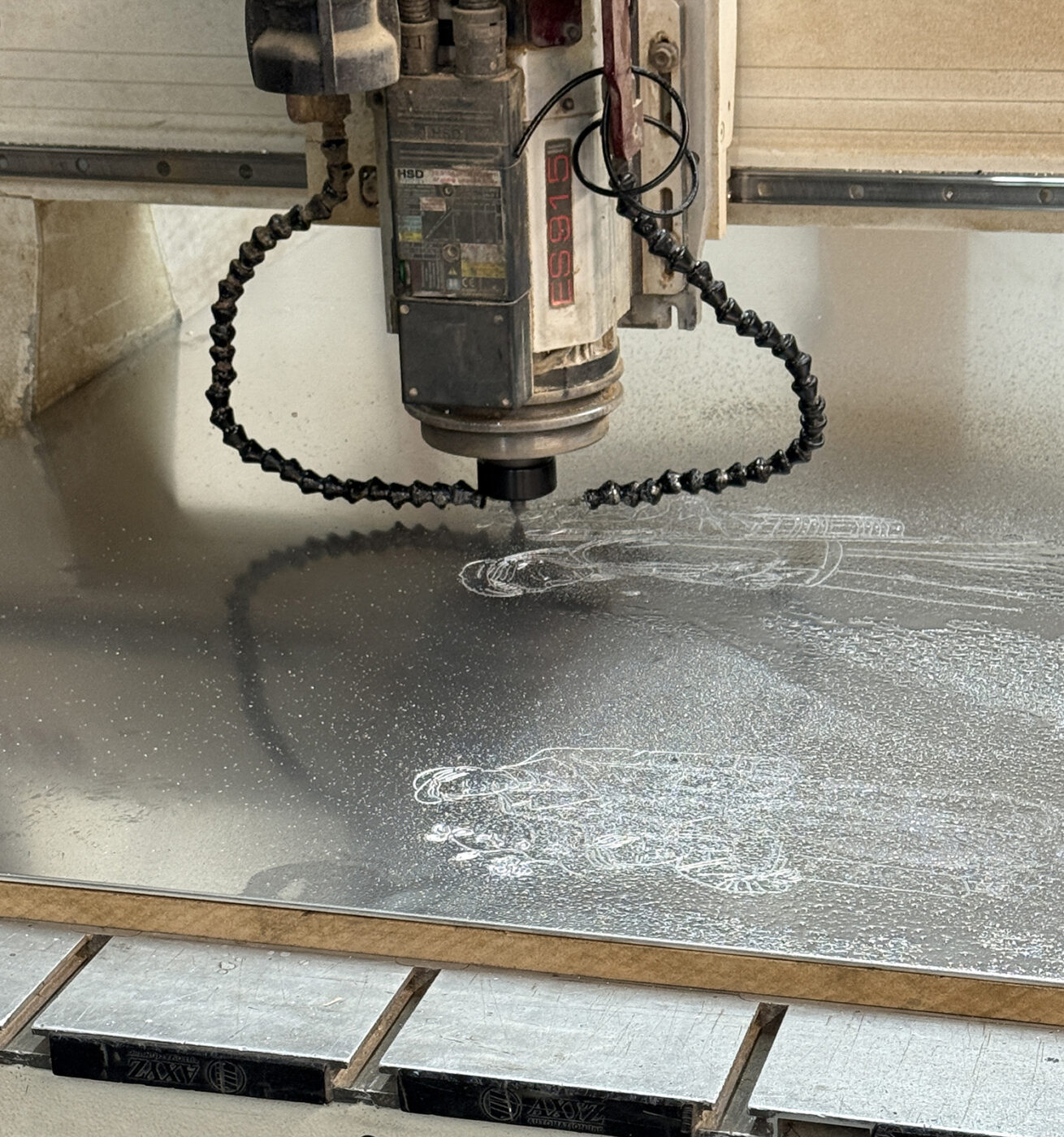
Aluminum is a staple in sign manufacturing, particularly for outdoor installations. Lightweight, corrosion-resistant, and easy to work with, it allows for the creation of durable panels and structures that maintain their appearance despite weather exposure and everyday wear. Aluminum is often used as the primary material for sign cabinets, illuminated sign structures, and sign panels, providing excellent long-term stability.

Steel

a {
text-decoration: none;
color: #464feb;
}
tr th, tr td {
border: 1px solid #e6e6e6;
}
tr th {
background-color: #f5f5f5;
}
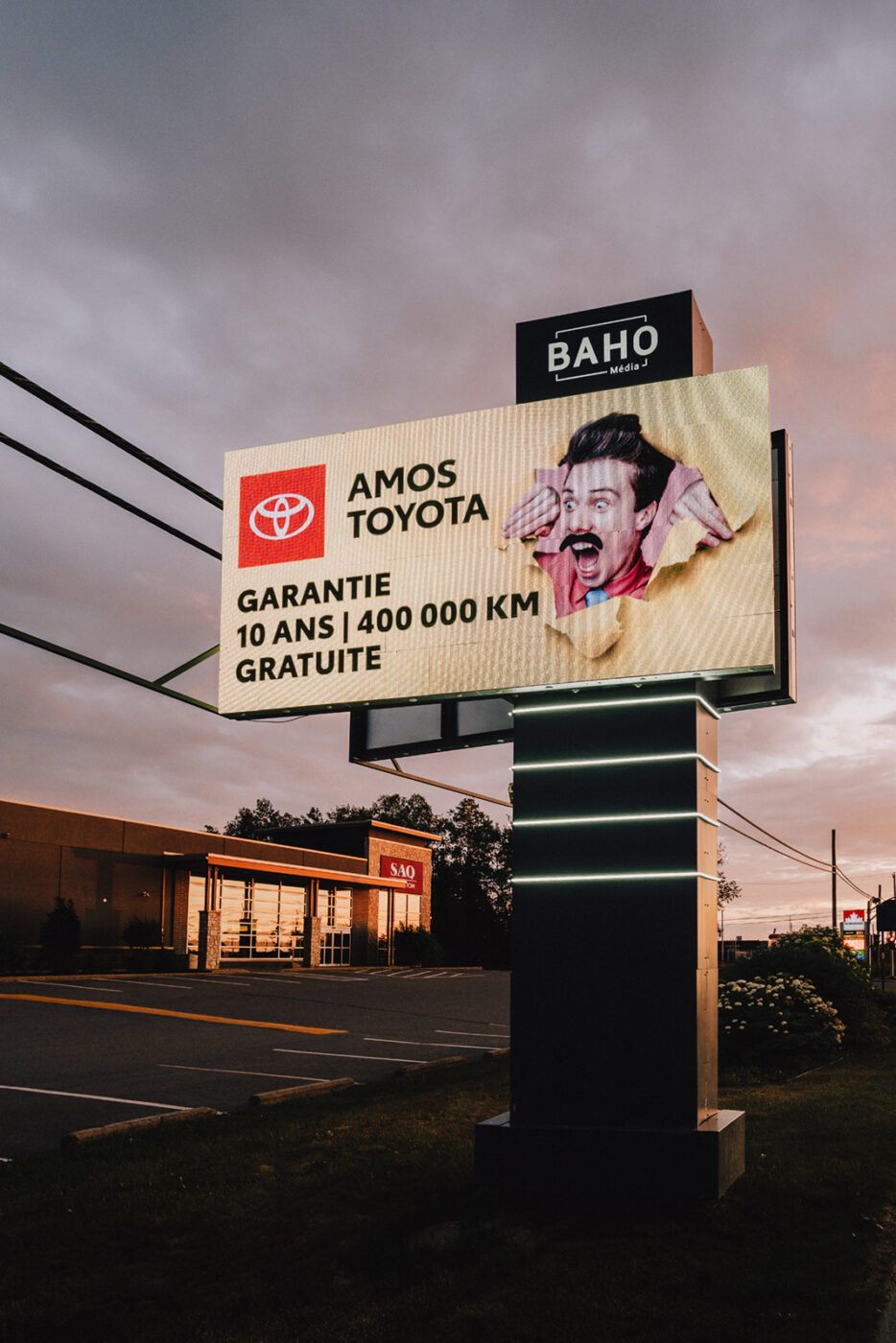
Steel is primarily used in the construction of robust structures designed to support pole signs and digital displays. Known for its exceptional mechanical strength, steel is ideal for carrying heavy loads and ensuring the stability of large-scale installations. Commonly used for structural frameworks and bases, steel plays a vital role in sign safety and durability, providing reliable, long-lasting support.

PVC

a {
text-decoration: none;
color: #464feb;
}
tr th, tr td {
border: 1px solid #e6e6e6;
}
tr th {
background-color: #f5f5f5;
}
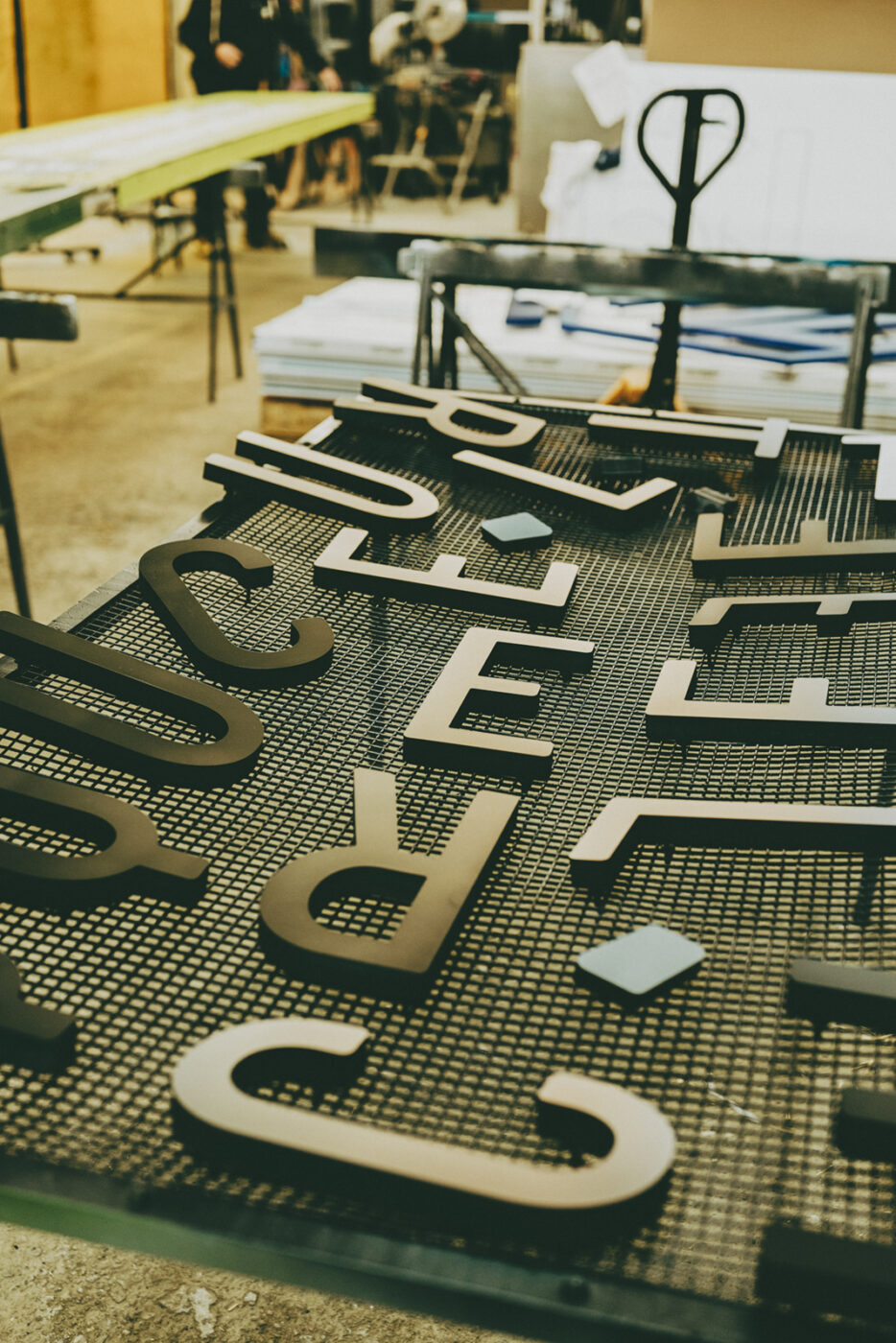
PVC is a versatile, lightweight, and cost-effective material. It is suitable for both indoor and outdoor signage applications, depending on the intended use. Its smooth surface provides excellent adhesion for printed graphics and vinyl applications, while its ease of cutting allows for the creation of custom shapes and dimensional lettering. PVC is commonly used for non-illuminated signs, directional signage, and decorative elements, offering an efficient and affordable solution.

Acrylic

a {
text-decoration: none;
color: #464feb;
}
tr th, tr td {
border: 1px solid #e6e6e6;
}
tr th {
background-color: #f5f5f5;
}
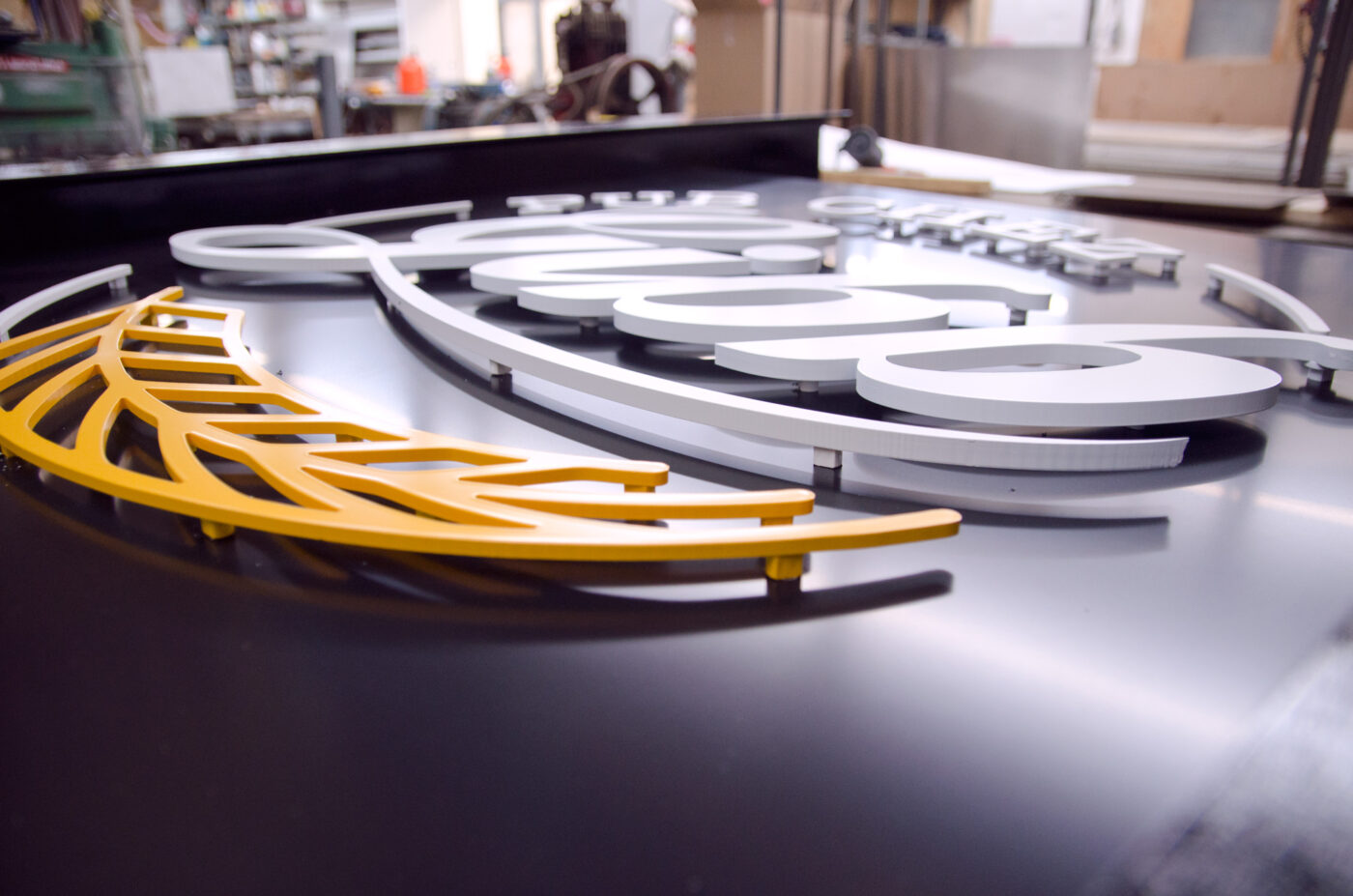
Acrylic is highly valued for its versatility and refined appearance. It provides signs with a sleek, professional finish while offering a wide range of design possibilities. Available in various thicknesses, acrylic is ideal for dimensional letters and modern illuminated signs, especially when a uniform lighting effect or enhanced visual impact is desired.

Vinyl

a {
text-decoration: none;
color: #464feb;
}
tr th, tr td {
border: 1px solid #e6e6e6;
}
tr th {
background-color: #f5f5f5;
}

Vinyl is primarily used for lettering and graphics applied to flat surfaces such as acrylic and PVC. It allows for the precise reproduction of logos, text, and visual elements while offering a wide variety of colors and finishes. Vinyl is commonly used to complement signage or add information, ensuring brand consistency while providing a clean, professional appearance.

Paint

a {
text-decoration: none;
color: #464feb;
}
tr th, tr td {
border: 1px solid #e6e6e6;
}
tr th {
background-color: #f5f5f5;
}
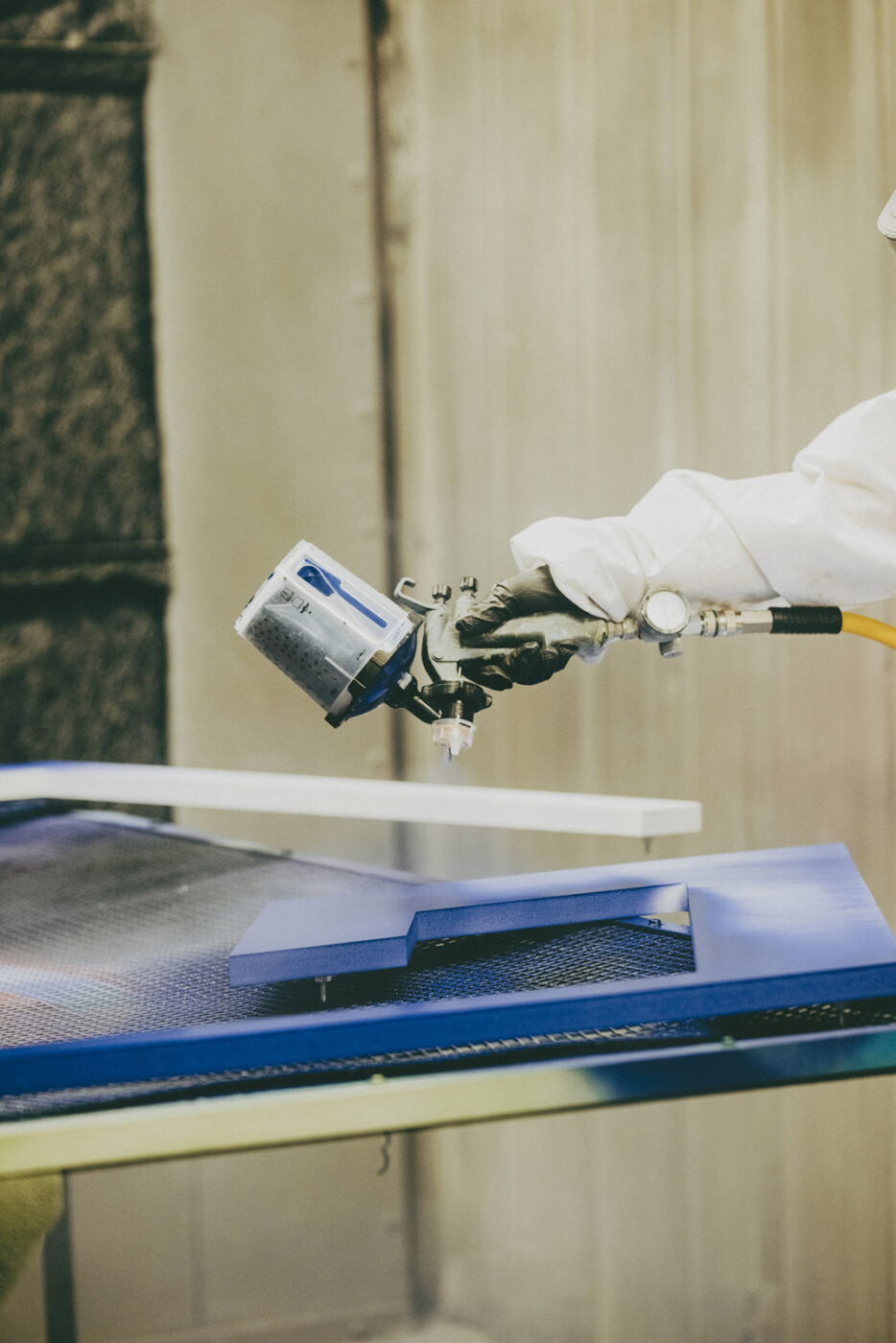
Paint remains an essential component in sign finishing. Used alongside other materials, it contributes both to aesthetics and surface protection. It helps create durable, long-lasting designs while ensuring visual consistency and enhanced resistance to wear. When combined with other materials, paint extends the lifespan of a sign while providing a polished and customized finish.

LED Lighting

a {
text-decoration: none;
color: #464feb;
}
tr th, tr td {
border: 1px solid #e6e6e6;
}
tr th {
background-color: #f5f5f5;
}
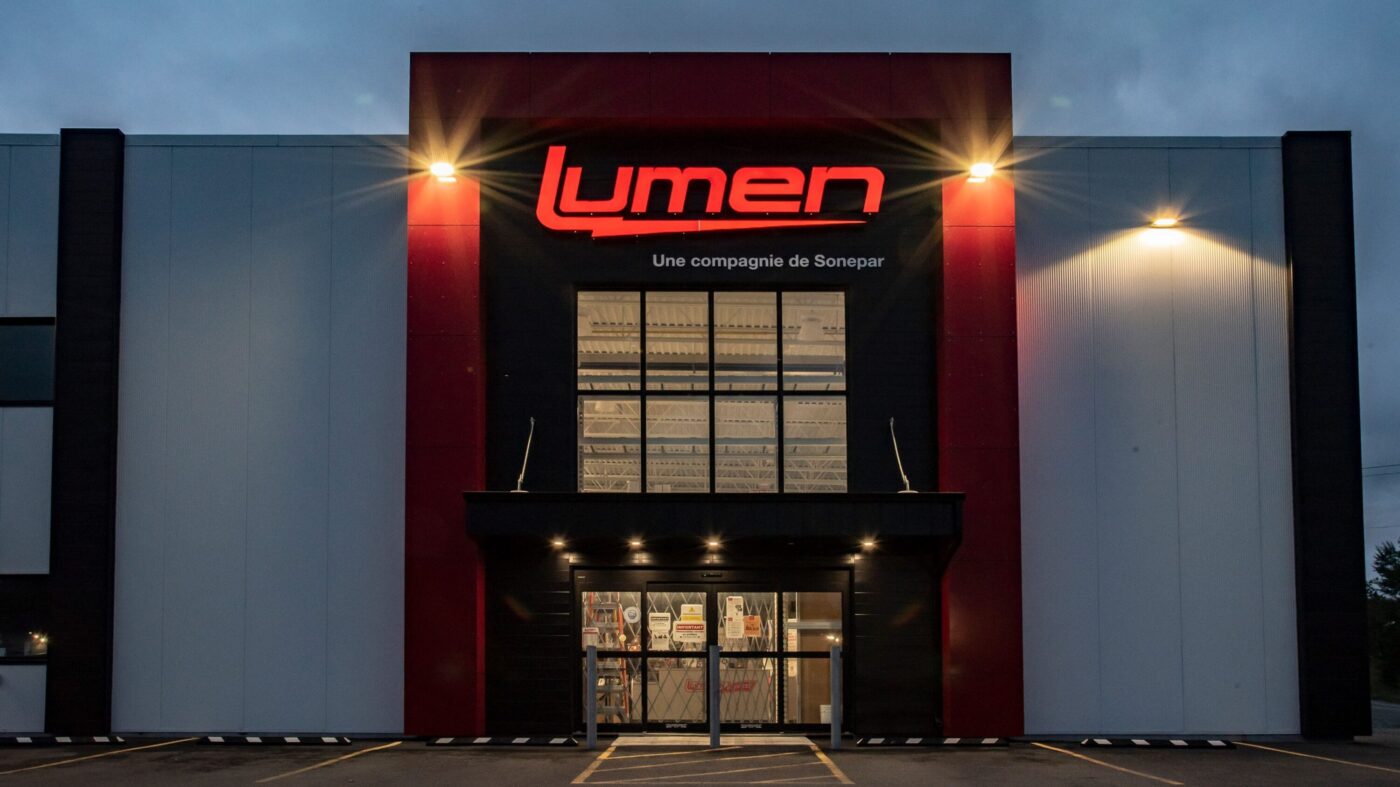
LED lighting is widely used to illuminate signs, including dimensional letters, lightboxes, and digital displays. LEDs provide consistent, long-lasting illumination that enhances colors and highlights the sign’s design, even in low-light conditions. Thanks to their low energy consumption, LEDs help reduce operating costs, while their long lifespan ensures reliable performance for many years.
LEDs are also highly adaptable and can be installed on a variety of structures. They offer options for color variations and lighting effects that strengthen brand identity and improve visual impact. Integrating LED lighting transforms a conventional sign into an effective visibility tool capable of capturing attention both day and night.

Conclusion

a {
text-decoration: none;
color: #464feb;
}
tr th, tr td {
border: 1px solid #e6e6e6;
}
tr th {
background-color: #f5f5f5;
}

Choosing the right materials for a sign is a strategic decision. It affects not only the sign’s appearance, but also its durability, maintenance requirements, and long-term visual impact. A well-planned combination of aluminum, steel, PVC, acrylic, vinyl, paint, and LED lighting makes it possible to create signage that is visually appealing, durable, and perfectly suited to its environment, while effectively supporting a company’s brand image.